
What should you do in a roof emergency?
First protect the inside: move valuables, catch drips with buckets, and never climb a wet or storm-damaged roof. Then document the damage with photos for your insurer, and call a licensed roofer for an emergency assessment and, if needed, a professional tarp to stop water until permanent repairs can be made.
New Roof Guide connects you with licensed local companies - we are not a contractor.
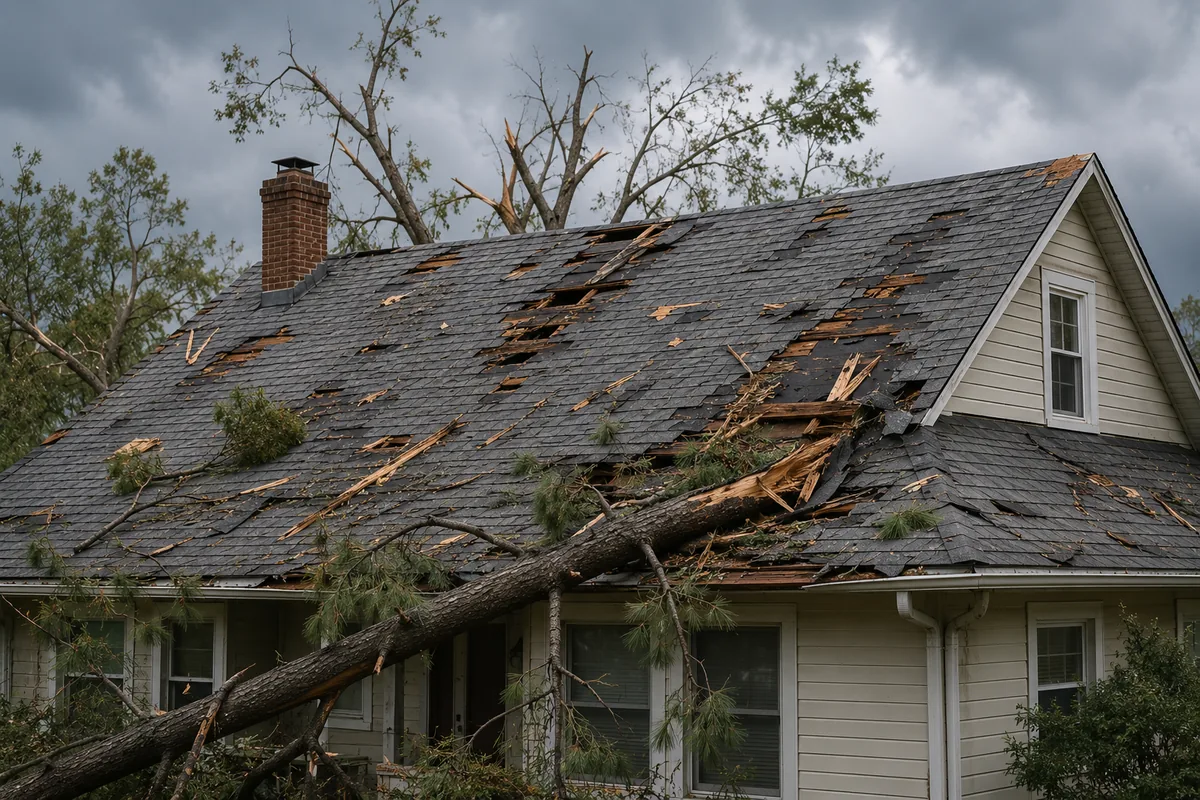 First 24 hours
What should you do first if your roof is leaking?
Protect your home before anything else. Move furniture and valuables clear, put down buckets and towels, and if it is safe, place a container in the attic under the active drip. Do not go onto a wet or damaged roof yourself. Once the inside is contained, document everything and call a professional.
Does insurance cover storm roof damage?
Many homeowner policies cover sudden storm, wind or hail damage, though coverage varies by policy. Photograph the damage inside and out, keep receipts for any temporary repairs, and contact your insurer early. A licensed roofer can help document the damage properly, which strengthens your claim.
Can a damaged roof be tarped temporarily?
Yes. A properly installed tarp stops water intrusion until permanent repairs are made. This is best done by a professional, because a poorly secured tarp can tear loose in high wind and cause more damage. Treat tarping as a stop-gap, not a fix, and schedule the real repair promptly.
How do you handle wind and hail damage?
High wind lifts and tears shingles; hail bruises the surface and knocks off protective granules; falling limbs puncture the deck. Much storm damage is subtle and only visible up close, so get a professional inspection even if the roof looks intact from the ground - early documentation protects your home and your claim.
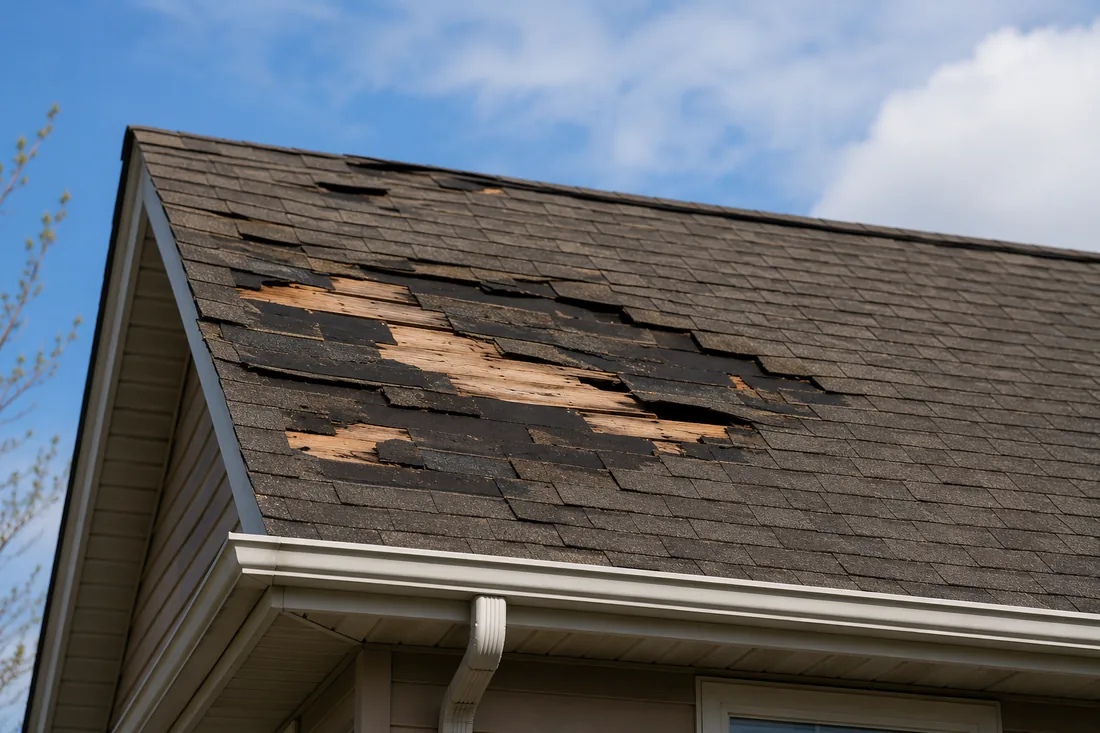
Protect the inside: move valuables, put down buckets, and if safe, place a bucket in the attic under the drip. Do not climb a wet roof. Then call a licensed roofer.
Many policies cover sudden storm, wind or hail damage, but coverage varies. Document with photos, keep receipts, and contact your insurer early.
Yes - a properly installed tarp stops water until permanent repairs. It is best done by a professional, as a poorly secured tarp can cause more damage in wind.
It depends on local demand, especially after a widespread storm. Call early, contain the leak inside, and ask the contractor about temporary tarping while you wait for full repairs.
Emergency & leak guides
Deeper guides on leaks and storm repairs.
How was this guide put together?
This guide reflects standard emergency-response and insurance-claim practice for roof damage. We deliberately avoid quoting universal repair costs or response times, because both depend on your location, the storm and local demand.
- Basis - accepted first-response steps and insurance documentation practice.
- Your situation - an on-site assessment by a licensed local contractor.
Last updated 19 August 2026. This is general guidance, not professional advice for your specific roof - always rely on a licensed contractor's assessment.
Get matched with a licensed local roofer
Tell us about your roof and we'll connect you with vetted contractors near you. Free, no obligation, and no pressure to commit.
- Licensed & insured local pros
- Free, no-obligation quotes
- Covering all 50 states